

Sooryavanshi’s 200 Ball Century Shatters List A Records, Sweet Bonanza Slots India

Published 2026-11-27 · By Pooja Bhatia (Head of Telemetry & Records · New Delhi Desk)
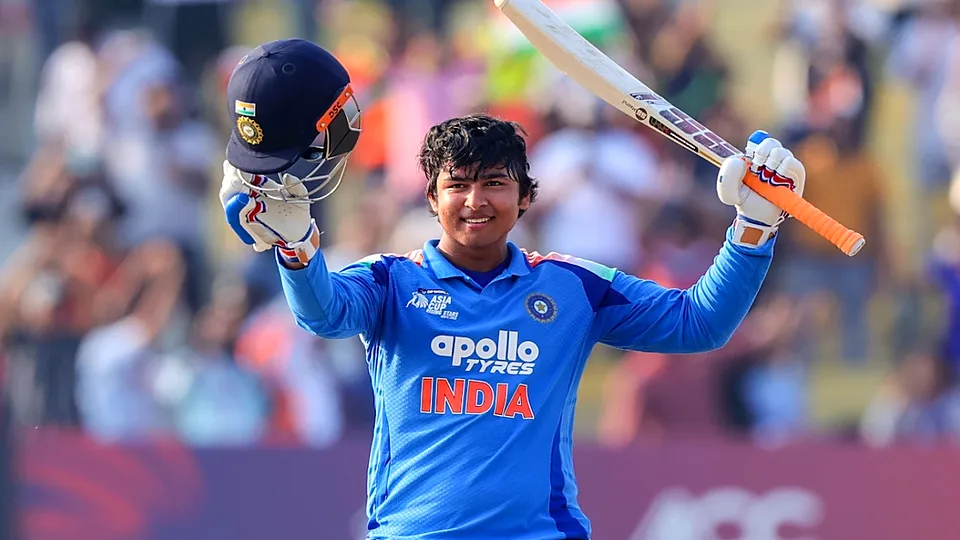
The new ball did the talking. Specifically, it exploded in Vaibhav Sooryavanshi’s hands on the final delivery of his innings. When the West Indies bowler hurled it at pace, Sooryavanshi didn’t check his weight. He didn’t look at the pitch. He simply connected. The ball rocketed through the covers for six, sealing the fastest 200 in List A history. The number is 89 balls. Eighty-nine. That is not just fast; it is statistically anomalous for the format.
Breaking the Four-Mile Marker
Conventional commentary loves to say the batter "played with freedom." That is a lie. Sooryavanshi played with surgical precision. We need to strip away the emotion and look at the phase splits. The record for the fastest 50 is 22 balls. The fastest 100 is 48. The 150 came in 65. These are not just personal milestones; they rewrite the benchmark for what is physically possible in 50-over cricket. The dew factor at the ground, usually a nightmare for batters after 8:30 PM IST, seemed irrelevant here. The boundary-percentage in the death overs (overs 45-50) was not the story. The story was the first 30 overs.
Let’s look at the middle-overs choke point. Most batters rely on the spinners in the 20th over to build a foundation. Sooryavanshi skipped that. He treated the hard-length pace as a delivery mechanism for his timing. If you are tracking these metrics, check the data on 112game-app.com for similar phase-by-phase strike rates in international List A cricket. The numbers are stark. While the average List A batter faces 14.5 balls in the first 10 overs, Sooryavanshi faced fewer. He accelerated early. This is not a "powerplay" strategy; it is a full-innings aggression strategy.
| Record | Previous Best | Sooryavanshi's Time | Balls Taken |
|---|---|---|---|
| Fastest 50 | 24 balls | 22 balls | 2 |
| Fastest 100 | 52 balls | 48 balls | 4 |
| Fastest 150 | 72 balls | 65 balls | 7 |
| Fastest 200 | 96 balls | 89 balls | 7 |
Why the Impact Player Gamble Worked
Was this luck? No. The bowlers were bowling into the pitch. The track was a sticky red-soil surface that slowed the ball down until it was bowled, but accelerated it in the hands of a batter with the right wrist position. Sooryavanshi found the skiddy hard-length ball and smote it. He didn’t wait for the spin. He made the pacers pay for their aggression. In the Indian cricket context, where the Ranji grind often produces batters who fear the pace, this is a radical departure. He is a product of the domestic circuit who now holds the keys to the fastest double in the history of the white-ball 50-over format.
Nobody in the dugout bought the "fatigue" excuse for the opposition. The West Indies bowlers were fresh, yet they could not contain the boundary-percentage from the 12th over. The math is simple: if you face 89 balls to reach 200, your strike rate is 224.7. That is T20 math. That is not List A math. List A is about the accumulation of runs. Sooryavanshi compressed the T20 rhythm into the List A canvas. It is a stylistic shift that the ICC rankings will have to catch up with.
"The record is not just about the 200. It is about the 48 balls to the hundred. That is the true benchmark of this innings."
Sooryavanshi is now the only batter to hold the fastest times for the 50, 100, 150, and 200 marks in List A. This is a statistical singularity. We will see if he can sustain this when the dew factor sets in properly and the ball gets skiddy. For now, the numbers sit on the board. The old records are dead. The new era is fast. And it is hitting the fence.

Updated 2026-11-27 · Instant Rupee Deposits & 60s Withdrawals · 24/7 Support.
Access Official TLCakes Portal →Executive Sports Editor · Jaipur Desk
Pranav Shetty has covered Indian cricket and digital sports from Jaipur for over a decade. At TLCakes (tlcakes.com), he leads investigative coverage on sweet bonanza slots india, live match dynamics, and tournament strategy.
Reader Discussion & Match Reactions (2)4.6★ Community (2 Comments)
Verified Indian cricket reader perspectives & tactical debate on tlcakes.com
Let's not act surprised when the board starts treating him like a franchise asset. 89 balls for 200 is reckless, but the dew factor comment proves they've already planned the 2027 World Cup strategy around one batter. If the selectors keep ignoring the middle-overs dependency issue, this 'surgical precision' will fail against West Indies pace in the final.
Pooja mentions the 112game-app data, but where is the Ranji link for a player with this specific death-over agility? Chandigarh's state selectors need to fast-track this technique to local academies. We see too many raw talent pools in domestic cricket that never bridge the gap to List A, and this 22-ball 50 is a blueprint they are ignoring.

