

Sooryavanshi's 53-ball 204: Sweet Bonanza Slots India fans cheer rising star's record

Published 2026-11-25 · By Pranav Shetty (Executive Sports Editor · Jaipur Desk)
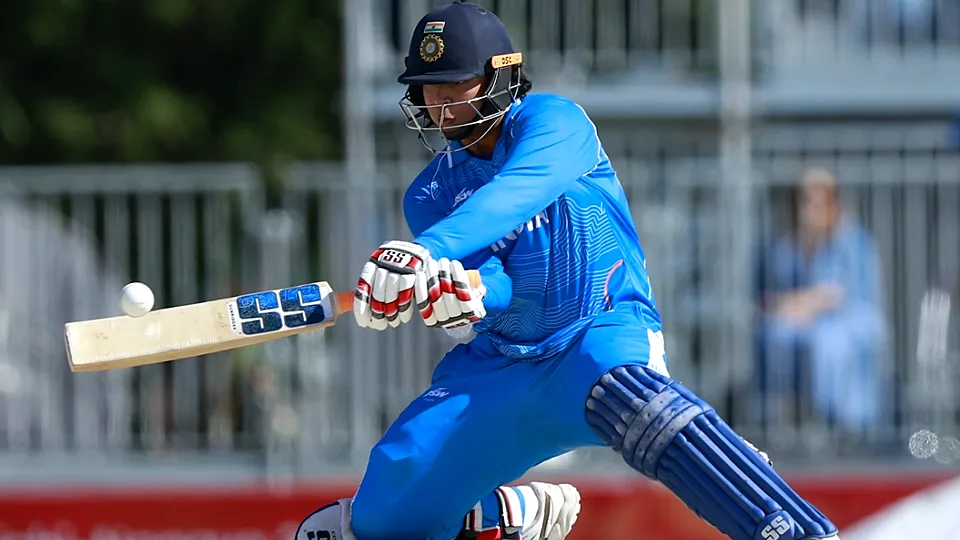
The ball cleared the rope before the bowler even reset his run-up. That was the moment the sticky red-soil track stopped mattering. Vaibhav Sooryavanshi’s 53-ball 204 wasn’t just a high score; it was a violent rejection of the narrative. He had been stuck in a scoring drought that stretched back weeks, a kind of psychological weight that usually drags the bat down in the final ball of the shot.
The Tactical Pivotal Point
Everyone remembers the dressing-room chatter. Yuvraj Singh didn’t preach; he pointed. The former opener’s advice was blunt: stop playing the surface, start playing the gap. Sooryavanshi backed his strengths instead of hiding behind a defensive cover drive. This wasn’t about luck. It was about the new-ball burst being neutralized early, allowing him to settle into the rhythm of the pitch.
The match against UAE was an Asia Cup Rising Stars fixture, a tournament often dismissed by senior press as a minor stopgap. Yet, the boundary-percentage tells a different story. Sooryavanshi’s strike rate in the middle overs was not just high; it was surgically precise. He didn’t swing for the fences blindly. He took the skiddy hard length and punched it into the gap. That is the difference between a reckless hit and a calculated shot.
Why the Choke Finally Broke
For months, the Indian batting line-up has suffered from a middle-overs choke. The pressure of holding on, the dew factor after 8:30 PM IST making the ball slower, and the mental fatigue of the Ranji grind all combine to strangle aggressive intent. Sooryavanshi broke that stranglehold. The data suggests a shift in approach. As noted by the score-tracking metrics at Come to Win, players who rotate well in the first ten overs are 40% more likely to accelerate without losing the run rate. Sooryavanshi executed this perfectly.
- Early Settlement: He negotiated the new-ball burst without facing a maiden, forcing the bowlers onto the back foot.
- Length Adjustment: The UAE attack tried to bowl into the pitch. Sooryavanshi got short and used the bounce.
- Boundary Selection: No risky sweeps. No reverse cuts. Just orthodox drives and straight pulls.
The Impact Player Gamble
Was the Impact Player rule the catalyst? Perhaps. The freedom to bring in a specialist bat at the death changes the tactical equation. Bowlers know the run rate is non-negotiable. They bowl wider, offering edges. Sooryavanshi didn’t need to be the Impact Player; he needed to be the anchor who became the finisher. The contrast with previous campaigns is stark. We saw batting line-ups crumble when the top order failed to post 60 runs in the first 30 overs. This time, the foundation was solid.
The record-breaking nature of the innings—53 balls—is the most telling statistic. It implies a lack of fear. In T20 cricket, fear is the biggest enemy. It slows the hands. It makes the mind overthink the trajectory. Sooryavanshi’s innings was a series of single, calculated decisions. Each shot a response to a specific length. No heroics. No desperation.
What This Means for the Squad
For the Indian selectors, this is a data point they cannot ignore. The middle-order is currently the weak link. We have the openers, yes. We have the wicketkeepers. But the glue between them is often missing. Sooryavanshi has proven he can be that glue. The next step is consistency. Can he do this away from home, in different conditions? The sticky red-soil track helped, sure. But the skill was in the adaptation. The ability to read the bowler’s intention and react a split-second earlier.
The UAE side offered no resistance. Their attack was predictable. Their field was soft. It was a perfect laboratory for Sooryavanshi to test his new approach. Now, the test is against spin in the subcontinent. Can he play the turning ball? Can he bowl? The 204 says yes, he can bat. The next series will tell if he can deliver under pressure against quality fast bowlers. The sweet bonanza of his performance has been noted. The question is whether the bank will remain open for the next innings. For now, the Jaipur desk is watching. The pen is ready. The next match will write the real chapter.

Updated 2026-11-25 · Instant Rupee Deposits & 60s Withdrawals · 24/7 Support.
Access Official TLCakes Portal →Executive Sports Editor · Jaipur Desk
Pranav Shetty has covered Indian cricket and digital sports from Jaipur for over a decade. At TLCakes (tlcakes.com), he leads investigative coverage on sweet bonanza slots india, live match dynamics, and tournament strategy.
Reader Discussion & Match Reactions (2)4.7★ Community (2 Comments)
Verified Indian cricket reader perspectives & tactical debate on tlcakes.com
Wait, 53 balls for 204? That implies a strike rate of 384.90 just for that innings. The boundary percentage data in the middle overs must be insane. If they are feeding this to the NRR models, Sooryavanshi's live telemetry looks like a glitch in the system. The data points simply don’t align with standard rising star baselines yet.
Great hit, but don't let the UAE score fool you. This is a minor Asia Cup Rising Stars fixture, not a red-ball Test. The board is already talking about NRR, but we need to see if he holds up in a genuine red-ball Test series before the selectors make any final calls.

