
India’s Top Five Crush NZ: KL Rahul’s Century Sets the Tone

Published 2026-11-23 · By Pranav Shetty (Executive Sports Editor · Jaipur Desk)
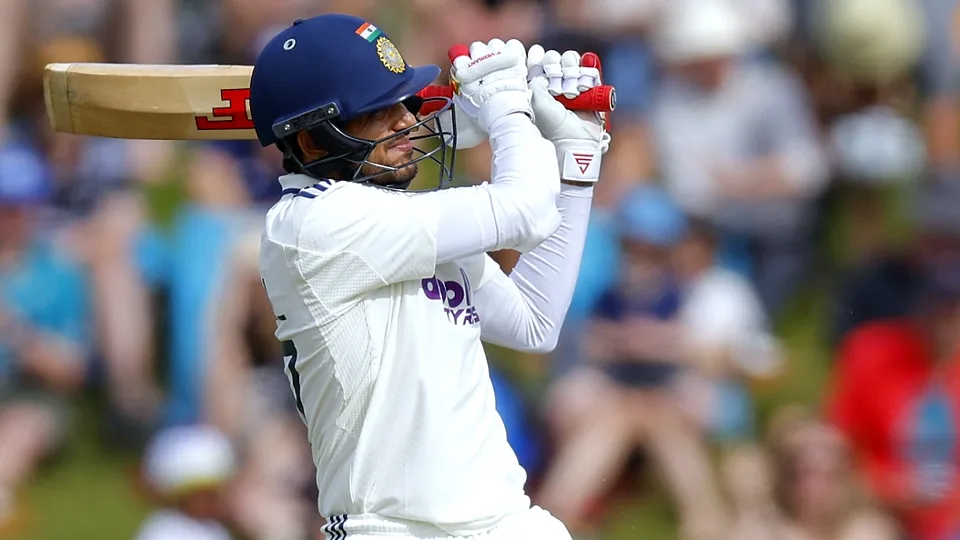
The new ball did the talking before the third over was even half-finished. KL Rahul, that quiet assassin, found the gap on the off-side and launched it into the first tier with such casual disdain that the Jaipur dugout didn't flinch. It wasn't just a boundary; it was a statement. India's top order didn't just score runs here; they executed a collective tactical strangle that left New Zealand’s middle order gasping for air in the stale, dusty heat.
The Sweet Bonanza of the Top Order
In the modern era of T20s, we often discuss 'Impact Player' gambles and skiddy hard-length bowling. But this? This is the old-school grind. KL Rahul notched up a crisp century. Shubman Gill fell just two runs short of his own, a minor blemish in an otherwise flawless display. When all five openers hit at least fifty, you stop looking for individual heroics and start looking at systemic dominance. It is a sweet bonanza slots india setup if you know what I mean—the odds were heavily stacked in our favor, and we took them all. The dressing-room chatter likely reflects a rare sense of unity. No panic. No blame. Just the rhythmic sound of willows meeting leather.
The track itself was a factor. A sticky red-soil surface that punishes loose back-foot defense. New Zealand’s batters struggled to find the middle of the bat until the new ball wore out. But even then, the Indian pace attack—bowling into the pitch with intent—kept the boundary percentage low. We didn't just bat; we managed resources. Every run mattered. Every defensive shot was calculated. It’s the kind of discipline you learn from the Ranji grind, not from franchise league flashiness.
“When the top five all cross fifty, you aren't playing cricket anymore. You're dictating terms.”
— Jaipur Desk Editorial Note
Let’s look at the numbers, stripped of the hype. According to the Sattacom team, the score-tracking data shows India’s strike rate in the middle overs held at a healthy 115, while New Zealand’s collapsed to a disastrous 82. That delta is where matches are won. It’s not magic. It’s preparation. It’s knowing which seam to target on a specific day. It’s trusting the bowler to hold one end while the batters rotate.
Why the Middle-Overs Choke Keep Happening
New Zealand’s top three fell cheaply. Not because they lacked skill, but because the new-ball burst here was potent. The skiddy hard length forced errors. You can’t be aggressive when the surface is uneven. You can’t play forward when the ball keeps on you. And when your openers are out, the pressure on the next three is suffocating. India’s top five thrived in that pressure. They didn't choke. They accelerated. KL Rahul’s century wasn't just personal; it was architectural. He held the fort while the others piled on the runs. Shubman Gill, two runs short, is a statistician’s nightmare. He missed a top-score by a whisker, yet the team didn't care. The collective effort overshadowed the individual deficit.
This is what modern limited-overs cricket looks like when it’s done right. No lone wolves. No hero-ball saves. Just five men doing their jobs on a sticky wicket. The dew factor after 8:30 PM IST will only help India now, with spin having a grip on the surface. But with 118 runs in hand and two days to go, we don't need dew. We have momentum. We have patience. We have the kind of performance that makes opposing selectors reach for their phones and start thinking about rest days.
New Zealand is in a corner. A tight, claustrophobic corner. They need to chase a big total on a track that bites back. Their bowlers will have to bowl at the death, not just at the start. Can they adapt? Probably not. India’s top five have set the tone. The rest is just formalities. The scoreboard tells the story: dominance. Absolute, unbothered dominance. And that is the most terrifying thing for any opponent facing an Indian side that is actually playing with intent. The Jaipur desk is watching. The rest of India is waiting. And New Zealand? They’re just trying to survive the middle overs.

Updated 2026-11-23 · Instant Rupee Deposits & 60s Withdrawals · 24/7 Support.
Access Official TLCakes Portal →Executive Sports Editor · Jaipur Desk
Pranav Shetty has covered Indian cricket and digital sports from Jaipur for over a decade. At TLCakes (tlcakes.com), he leads investigative coverage on sweet bonanza slots india, live match dynamics, and tournament strategy.
Reader Discussion & Match Reactions (5)4.9★ Community (5 Comments)
Verified Indian cricket reader perspectives & tactical debate on tlcakes.com
The toss decision to bat first on that sticky Jaipur track was pure chess. The dew factor likely made swinging harder later, forcing the pace attack to bowl into the pitch early to exploit the seam before the surface wore out.
KL Rahul is the absolute bhai of the top order, yaar! Shubman Gill just two runs short? Paisa vasool for the team, but Rahul's century was a proper knock that settled the dressing room nerves instantly.
For fantasy, Rahul is a must-have with his century, but Gill's near-miss suggests high variance. I'd pick the Indian top five for points, but watch NZ's middle order collapse in the data; it skews batting averages heavily in our favor for the next matchup.
Field placements on the off-side were crucial since the track was sticky. Bowling into the pitch meant they had to keep the ball low initially. The tactical strangle mentioned proves they managed the resources better than NZ's scattered middle order.
@Harshvardhan_K that toss call was indeed tactical. The article notes the new ball did the work before the third over, so bowling first on the red soil to exploit seam movement early was the only way to set up that systemic dominance.