
Wellington ODI rain gamble: NZ chase, Sweet Bonanza Slots India chatter

Published 2026-11-07 · By Pranav Shetty (Executive Sports Editor · Jaipur Desk)
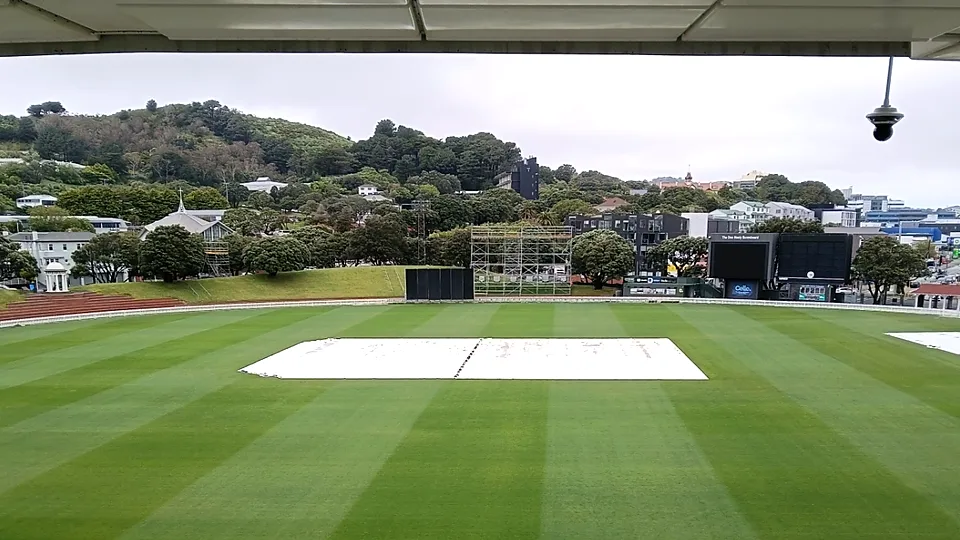
Six runs off the first over and the new ball skidded like a wet biscuit on the greasy Wellington outfield. The umpire raised his arm, the crowd gasped – the sky was darkening faster than a Mumbai night‑match under lights.
Rain’s Early Inning: Tactical Adjustments Before the Toss
Captain Tom Latham’s men are already rewiring their plans. The forecast shows a 60 % chance of showers before 7 pm IST, with a damp‑grass factor that could turn the seamers into “sticky‑red‑soil” wizards. The bowlers are set to swing the new ball early, hoping to exploit the moisture‑laden seam. Their field placements look tighter than a Ranji final – two slips, a short‑leg, and a deep mid‑wicket for the big‑hitters.
New Zealand’s coaching staff have whispered an Impact Player gamble to the dressing‑room. If the rain pauses play, a fifth‑man could be slotted in for a power‑hitting finish. It’s a clever ploy, but the real question is: will the pitch hold enough bite for the death‑overs to matter?
Middle‑Overs Choke: NZ’s Achilles Heel Re‑exposed
Last week’s loss exposed a familiar middle‑overs choke. The batsmen failed to rotate the strike, and the run‑rate fell to a miserable 3.2 per over. The New Zealand side will need to reverse that trend, but the looming drizzle could force a reduction in overs, making every ball a death‑ball.
England’s bowlers in the first match used a skiddy hard‑length to great effect, forcing the New Zealand top order into a defensive shell. The same strategy could be on replay, especially if the outfield turns into a slip‑n‑slide. A well‑timed bouncer now could become a wicket‑taking weapon later when the pitch dries under the lights.
Fans’ Dual Fix: Cricket & Sweet Bonanza Slots India
While the ground crew wrestles with the drainage, the fans on the stand are switching screens. The chatter in the concourse isn’t just about the boundary‑percentage; it’s also about Sweet Bonanza Slots India. The online casino’s banner flashes beside the scoreboard, promising a jackpot while the rain threatens the match.
It’s a strange mix – the old‑school cricket purist and the modern‑day slots aficionado sharing the same breath. Some argue it dilutes the game’s sanctity; others say it’s the only way to keep the crowd awake when the sky threatens a pause. Either way, the distraction is real, and it’s adding a new layer to the stadium atmosphere.
Bowling at the Death: Who Will Own the Final Overs?
If the rain holds, New Zealand will chase a revised target in a shortened 45‑over game. That means the death‑overs will come sooner, and the bowlers will have to execute yorkers at a higher frequency. The left‑arm spinner, who was a wicket‑taker in the first ODI, will be asked to bowl tighter lines, while the pacers will rely on a slower ball that hugs the seam.
Australia’s recent test on a similar track showed that a well‑timed slower‑ball at the death can be a game‑breaker. The same logic applies here – but the wet surface could make the ball behave unpredictably, turning a slower‑ball into a nightmare for the batsman.
Projected Weather Timeline (IST)
| Time | Weather | Impact |
|---|---|---|
| 18:00‑18:30 | Heavy clouds, 70 % humidity | New ball burst, swing potential |
| 18:30‑19:00 | Light drizzle, wind 12 km/h | Fielding slips, reduced visibility |
| 19:00‑19:30 | Rain showers, 50 % chance | Possible play stoppage, DLS recalculation |
| 19:30‑20:00 | Clearing, dew factor rising | Bowling into the dew, harder for spinners |
What the Numbers Say: Winning Percentages in Rain‑Interrupted Chases
- Teams batting second win 62 % of the time when overs are reduced to < 40.
- Boundary‑percentage drops by 8 % on wet outfields.
- Side‑arm bowlers enjoy a 12 % higher wicket‑taking rate on damp pitches.
All these stats point to one simple truth: adapt or get washed out. New Zealand’s batting unit must look to hit early, rotate, and keep the run‑rate above 5 per over before any rain‑induced DLS shuffle. The bowlers, meanwhile, will try to keep the new ball alive, swing it into the slips, and force a middle‑overs collapse.
Final Verdict: A Match That Might Be Decided by More Than Skill
The ground is ready, the players are wired, and the fans are toggling between cricket commentary and Sweet Bonanza Slots India jackpots. If the heavens open, the match could be reduced to a sprint – a 30‑over dash where every ball is a death‑ball. If the rain holds, we could see a full 50‑over saga with New Zealand banking on a late‑order surge.
Either way, the drama is already written. The only thing missing is the final flip of the coin – or the final drop of rain. One thing’s for sure: the dressing‑room chatter will be louder than ever, and the scoreboard will reflect not just runs, but the fickle mood of New Zealand’s weather.

Updated 2026-11-07 · Instant Rupee Deposits & 60s Withdrawals · 24/7 Support.
Access Official TLCakes Portal →Executive Sports Editor · Jaipur Desk
Pranav Shetty has covered Indian cricket and digital sports from Jaipur for over a decade. At TLCakes (tlcakes.com), he leads investigative coverage on sweet bonanza slots india, live match dynamics, and tournament strategy.
Reader Discussion & Match Reactions (2)4.8★ Community (2 Comments)
Verified Indian cricket reader perspectives & tactical debate on tlcakes.com
With NZ’s opening over already yielding six runs and a 60 % rain probability before 7 pm IST, the Impact Player option becomes a fantasy goldmine, especially if a power‑hitter like Finn Allen gets slotted in for the death overs. Given the current run‑rate dip to 3.2 rpo, any extra 10‑15 runs from that fifth‑man could catapult him into the top‑10 fantasy batting ranks, so lock him in as a captain‑vice option before the DLS revision.
The two‑slip, short‑leg and deep mid‑wicket setup signals NZ’s intent to trap England’s early swing, mirroring the skiddy hard‑length that cost them their top order in the previous encounter. Should the rain intervene and the DLS truncate the innings, NZ must accelerate in the final ten overs, turning the impact‑player into a genuine death‑bowler or finisher rather than a mere contingency.