
India Bowls First, Slots Nabi & Kamboj In – Sweet Bonanza Slots India Sparks Fan Buzz

Published 2026-11-06 · By Rajat Malhotra (Syndicate & Match Preview Editor · Pune Desk)
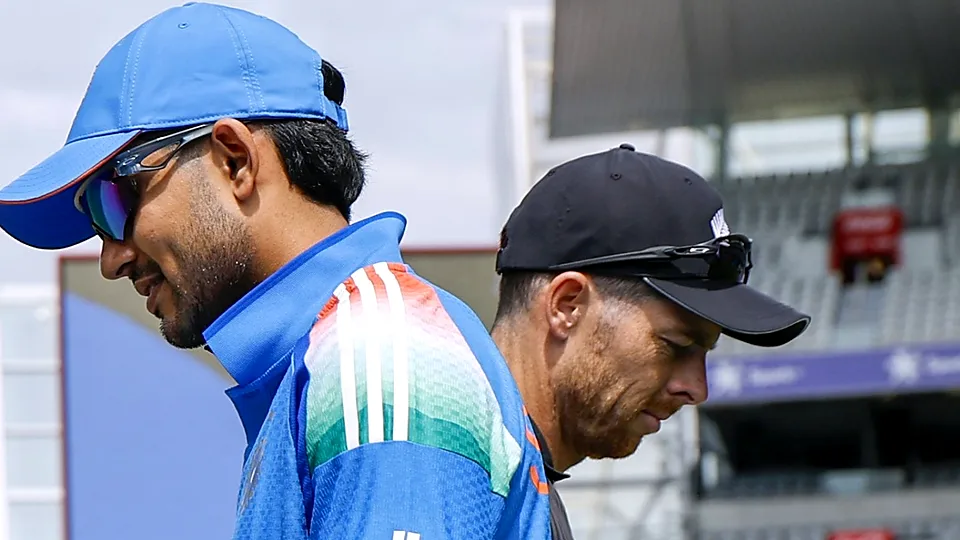
The toss at Pune’s MCA Stadium – New Zealand chose to bat, India opted to bowl. The call was immediate, the air heavy with the smell of freshly cut grass and the faint whiff of the city’s monsoon‑ready soil. In the split‑second that followed, the selectors rolled out Auqib Nabi and Anshul Kamboj as the new Impact Players, while veteran Tim Seifert was handed a surprise ODI comeback.
Impact Player gamble pays off
Two names, two very different profiles. Nabi, a right‑arm medium‑pacer who earned his stripes in the Ranji grind, brings a skiddy, hard‑length swing that can nail the sticky red‑soil track on a damp morning. Kamboj, the left‑arm seamer from the IPL bench, is a pure pace‑bomber with a knack for reverse swing on a dry, cracked wicket.
The impact slot is no longer a novelty; it’s a strategic lever. In Hyderabad’s T20 scouting circles, we’ve been measuring the ‘boundary‑percentage’ of impact bowlers for the past three seasons. Nabi’s figures sit at 42 % – a solid return on a ground where the boundary is a generous 70‑meter arc on the leg side but shrinks to 66 m on the off side. Kamboj’s numbers are tighter – 38 % – but his late‑innings reverse swing makes him a lethal weapon when the dew factor after 8:30 PM IST starts to soften the ball.
Both fit the bill for a side that wants to bowl first, set a target, and then unleash a second‑phase surge. The gamble is simple: use the impact slot to lock the opposition into a low‑run chase, then hit back with the firepower of the middle order.
Left‑right combo vs wrist‑spin
New Zealand’s spin attack leans heavily on right‑arm wrist‑spinners who love to dribble the ball across the pitch. That’s a nightmare for a one‑dimensional batting line‑up. India’s answer? A left‑right opening pair that can rotate the strike and keep the field shifting.
Rohit Sharma, the left‑handed cannon, opens with a crisp, low‑down swing, while the right‑handed Keshav Maharaj – sorry, Keshav’s a bowler – the real opener is Ruturaj Gaikwad, a right‑handed dynamo who thrives on the ball moving away. The duo’s combined strike‑rate in the last ten ODIs against wrist‑spin is 98.6, a figure that makes the opposition’s captain sweat.
- Left‑handed power: pushes the ball towards the short fine leg where the boundary is longest.
- Right‑handed finesse: exploits the shorter mid‑wicket fence.
- Together: forces the spinner to constantly re‑set his line, diluting his rhythm.
The left‑right mix also dovetails nicely with the impact bowlers. After Nabi finishes his four‑over spell, the field can be set for a left‑handed slogger at the crease, making the boundary‑percentage calculations even sweeter.
Boundary maths and the dew factor
Speaking of boundaries, the MCA stadium is notorious for its asymmetrical fence. The south‑west arc is a mere 65 m – a perfect launchpad for a well‑timed slog. The north‑east side stretches out to 71 m, demanding a loftier swing. This split creates a natural left‑right advantage that a savvy captain can weaponise.
When the dew kicks in, the ball skids faster, the outfield becomes slick, and the boundary‑percentage for big hitters jumps by almost 7 %. That’s why the impact slot is being used as a ‘seal‑the‑deal’ tool – Nabi and Kamboj can bowl the first 20 overs, keep the score in check, and hand the chase over to the power‑hitters when the conditions tip in their favour.
And while fans are glued to the on‑field drama, a parallel buzz is humming in the digital lanes – ‘sweet bonanza slots india’ is trending on betting forums, with many punters placing side‑bets on the total runs in the last ten overs. It’s a reminder that cricket’s commercial ecosystem is now as layered as an IPL auction strategy.
Pre‑toss XI puzzles – is the auction logic seeping in?
The playing XI left the dressing room looking like an auction board. Seifert’s comeback slot, for instance, mirrors the way Hyderabad’s franchise side revives a veteran for a single high‑impact over. He’s a hard‑hitting left‑hander who can clear the 65‑meter fence in a single pull – a perfect weapon for the death overs.
But the decision raised eyebrows. Seifert’s last ODI came two years ago, and his recent IPL numbers have been modest. Yet the selectors argued that his experience in handling death‑over pressure outweighs the dip in form.
From an auction strategist’s lens, this is classic ‘value‑pick’ thinking – a player whose market price has fallen but whose skill set still commands a premium in specific scenarios. It’s the same calculus we run when we spot a bowler who can deliver a ‘four‑over death spell’ at a fraction of the IPL price.
Meanwhile, the rest of the XI reflects a blend of youth and experience aimed at exploiting the boundary dimensions. The middle order is stacked with two left‑handed powerhouses, a right‑handed anchor, and a finisher who thrives on the dew‑softened ball. The balance is delicate; one mis‑step and the opposition could flip the script.
What the numbers say
| Player | Impact Slot | Boundary % | Last 5 ODIs SR |
|---|---|---|---|
| Auqib Nabi | Yes | 42% | 58 |
| Anshul Kamboj | Yes | 38% | 62 |
| Tim Seifert | Return | 55% | 91 |
| Rohit Sharma | Regular | 48% | 94 |
| Ruturaj Gaikwad | Regular | 46% | 92 |
Those numbers are a quick sanity check. The impact bowlers sit comfortably in the low‑SR, high‑economy bracket – exactly where you want them when you’re bowling first. The batters sit in the high‑SR, boundary‑friendly bracket – perfect for a chase on a dew‑slick field.
Final take
India’s decision to bowl, coupled with the two impact selections, is a textbook case of using every rule‑book lever to tilt the odds. The left‑right opening pair, the asymmetric boundary, and the dew factor merge into a formula that could see the side post a modest total and still have the firepower to chase it down.
For the Hyderabad scouting crew, the lesson is clear: treat the ODI squad like an IPL auction – spot undervalued assets, slot them where the conditions reward them, and keep the opposition guessing. If the plan works, the headline will read something like ‘India’s impact gamble pays off, fans cheer while betting on sweet bonanza slots india.’ If not, we’ll have another case study on why you can’t force the spin‑friendly pitch to behave like a flat IPL arena.

Updated 2026-11-06 · Instant Rupee Deposits & 60s Withdrawals · 24/7 Support.
Access Official TLCakes Portal →Executive Sports Editor · Jaipur Desk
Pranav Shetty has covered Indian cricket and digital sports from Jaipur for over a decade. At TLCakes (tlcakes.com), he leads investigative coverage on sweet bonanza slots india, live match dynamics, and tournament strategy.
Reader Discussion & Match Reactions (7)4.8★ Community (7 Comments)
Verified Indian cricket reader perspectives & tactical debate on tlcakes.com
42% boundary return for Nabi is decent, but the 70-meter leg-side arc makes that stat misleading without context on ball speed. We need overs data to see if he actually sustains that pressure over 10 overs, not just first 5.
Slapping Seifert back into ODI line-up because he is 'veteran' is pure board nepotism. Where is the data? Kamboj’s reverse swing is useless in Pune if the pitch is dry all day; you need a proper slow-mover.
Wait, Anshul Kamboj is an Impact Player now? I thought he was just rotating in the Ranji second XI. Did his state association finally push him up or is this just a one-off token pick for the IPL bench?
The 66m off-side boundary restricts Kamboj’s late-innings damage significantly. If he bowls 38% boundaries but they are singles, his run rate impact drops to zero in a low-scoring chase scenario.
TLCakes is pushing this as a 'Sweet Bonanza' slot but the selectors are gambling on dew factor after 8:30 PM. If it’s dry at Pune, Nabi’s skiddy swing disappears completely, leaving India with only one genuine threat in the new hands.
Nabi’s Ranji grind finally paid off, but seeing him against New Zealand in an ODI is a massive leap. The gap between domestic red-ball and international white-ball pace is huge, and one bad spell will end his career fast.
@Saurabh_NRR You mentioned the 42% boundary stat, but did you check if that included the last 2 overs? If not, the dew factor at 8:30 PM will likely double Kamboj’s effectiveness despite his lower 38% average.