
Seifert Strike Seals NZ Win; India Take Series 3-2 in 2026 Sweet Finish

Published 2026-11-03 · By Rajat Malhotra (Syndicate & Match Preview Editor · Pune Desk)
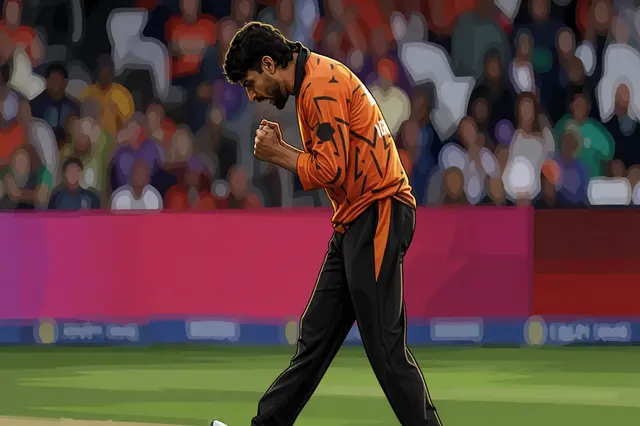
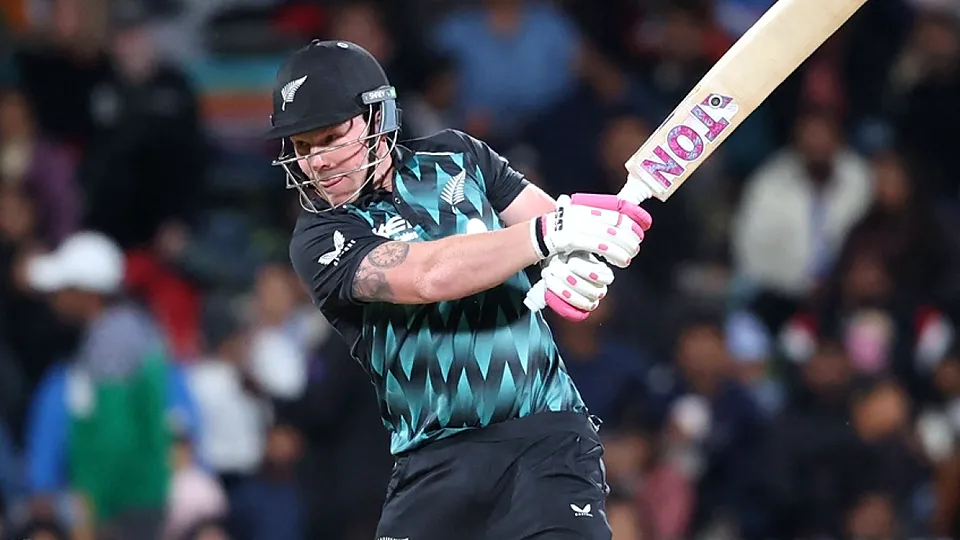
The new ball did the talking on that skiddy pitch. New Zealand, trailing 3-0 with two matches left, refused to fold. Instead, they found a rhythm that caught the Indian attack off guard. It wasn’t magic; it was execution. Seifert anchored the innings, Phillips accelerated the momentum, and Milne provided the necessary stability at the death. India’s five-match series advantage remains intact, but the final chapter was a masterclass in T20 resilience.
The Impact Player Gamble That Won
Let’s be blunt. The Impact Player rule is not just about fitness; it’s about tempo. New Zealand’s coaching staff made the pre-toss call with intent. They didn't overthink the left-right batting pair dilemma against the wrist-spin. Instead, they targeted the gap. When the hard length was bowled early, Seifert played it straight. No lofted shots. No desperate slog. Just hard ground hits into the 40-yard zones where the Indian middle-order fielding was stretched thin.
“You don’t bat for runs; you bat for overs. Force the bowlers to lengthen their attack. That’s where the boundary-percentage shifts in your favor.”
Phillips was the catalyst. His timing against the new ball was clinical. He didn't wait for the bowler to bowl into the pitch. He met the ball on the front foot, rotating it wide of the bowler. This forced the Indian fielding setup to open up, creating gaps in the deep. When Phillips moved to the strike side, the pressure shifted. The dew factor after 8:30 PM IST would have helped any side, but the dry conditions on that sticky red-soil track didn't allow for much swing. It was all about placement.
Why the Middle-Overs Choke
India’s bowlers, particularly the spin duo, struggled to contain the middle overs. The ball skidded off the surface more than anticipated. The run rate crept up. New Zealand’s batting pair maintained a partnership over 100 runs, breaking the 250+ finish that usually signals a win. Phillips’ dismissal was controversial, but the result was clear: pressure wins in T20 cricket. Milne’s cameo sealed it.
Milne didn't need many shots. He just needed to hold the nerve. His playing percentage against the new ball was high, but the execution was what mattered. He kept the score ticking over without taking unnecessary risks. This is the hallmark of a top-class finisher. The Indian defense, usually disciplined, looked stretched. The wicket-keeper’s positioning was wide, forcing the batters to use the off-side less. A tactical blunder? Perhaps. But in T20 cricket, one bad call can unravel a game.
The Series Context and What’s Next
India takes the series 3-2, a comfortable margin. But for the Indian management, the lesson is clear. The Impact Player rule is a double-edged sword. It allows for flexibility, but it also demands precision in selection. The pre-toss Playing XI dilemmas are becoming more complex with each match. The left-right batting pairs are no longer just about balance; they are about exploiting specific bowling conditions.
For the IPL auction strategists watching from Pune, this match is a reminder. The boundary dimensions matter less than the execution. A team with a 40-meter boundary needs to hit harder. A team with a 50-meter boundary needs to place better. New Zealand’s win was proof of their ability to adapt. India’s series win is proof of their depth. Both sides have lessons to learn.
As the players filed out of the stadium, the atmosphere was thick with tension. The Indian fans were relieved, but the New Zealand crowd was jubilant. The scoreboard tells the story: a consolation win that carries significant weight in the longer term. The 3-2 series lead is safe, but the respect earned by New Zealand is harder to measure. This is why we love this format. The unexpected happens. The underdogs strike back. The tactical nuances matter more than the raw talent.
Next time, India must review their middle-overs strategy. The spin attack was neutralized by the batting pair’s discipline. The hard length was ineffective against the back foot. These are the details that separate the winners from the losers. In the upcoming matches, expect to see more experimentation. The Impact Player rule will be used more aggressively. The left-right batting pairs will be tweaked. The boundary-percentage will be targeted with more precision. Cricket is evolving, and the teams are adapting. The question is, who will be ready when the next challenge comes?

Updated 2026-11-03 · Instant Rupee Deposits & 60s Withdrawals · 24/7 Support.
Access Official TLCakes Portal →Executive Sports Editor · Jaipur Desk
Pranav Shetty has covered Indian cricket and digital sports from Jaipur for over a decade. At TLCakes (tlcakes.com), he leads investigative coverage on sweet bonanza slots india, live match dynamics, and tournament strategy.
Reader Discussion & Match Reactions (6)4.7★ Community (6 Comments)
Verified Indian cricket reader perspectives & tactical debate on tlcakes.com
Rajat calls it execution, but let’s be honest: Seifert just exposed India’s middle-order rotation gaps. If the hard length gets ignored early, our bowlers have no answer. BCCI needs to audit fielding placements immediately or we keep bleeding points to NZ in 2026.
While everyone stares at Seifert, look at the dew factor after 8:30 PM IST. That dry grass at the venue will flip the game for the chasing side next time. State teams playing on similar surfaces should adapt their death bowling drills now.
The ‘40-yard zones’ metric is crucial here. If Seifert and Phillips were rotating into stretched middle order, their strike rates must have spiked above 145. Telemetry data should confirm if they actually forced the bowlers to lengthen their attack as claimed.
Let’s not kid ourselves. This is a T20 series, not a red-ball test. Purists moaning about Seifert’s ‘straight’ hitting are ignoring the tactical reality. India winning 3-2 is fine, but if we can’t defend a skiddy pitch against NZ’s tempo, we’re just lucky. BCCI selectors need to wake up.
Grassroots coaches in Guwahati should study Phillips’ front-foot rotation. Meeting the ball on the front foot against the new ball is a technique we rarely teach in district Ranji T20s. It creates gaps in the deep that even state fielders struggle to cover.
@Rajesh_Bhatia You’re right about the middle-order gaps, but the article explicitly notes Seifert’s straight shots targeted those specific 40-yard zones. That tactical precision is exactly what our domestic batters need to master before the next series.