

Bhuvi’s Silent Comeback: The Wicket Math Behind India’s Spin Dilemma

Published 2026-10-29 · By Rajat Malhotra (Syndicate & Match Preview Editor · Pune Desk)
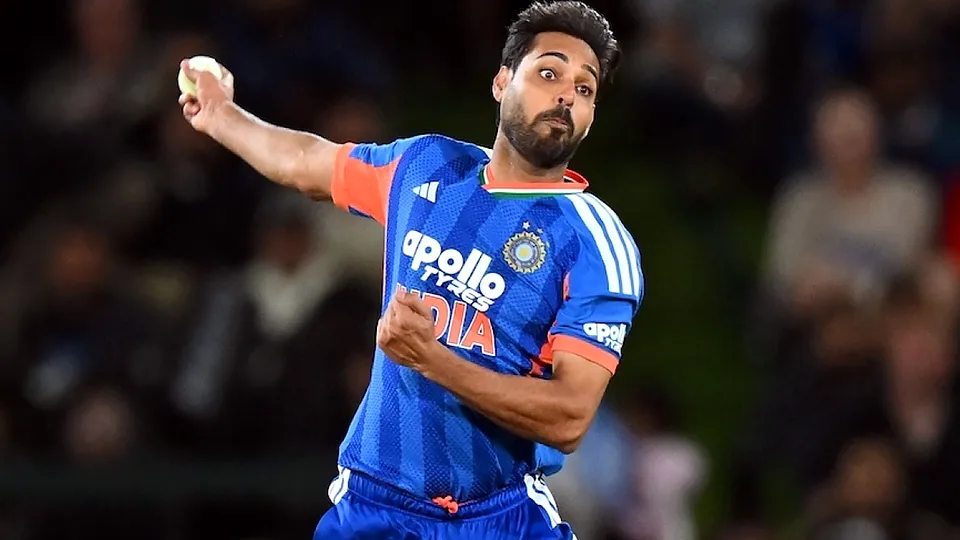
The scoreboard lies. Or rather, it tells the truth about how much the new ball did the talking. Bhuvneshwar Kumar stood over the bowler’s end, the seam looking fresh, the crowd in Pune holding its breath. Three games. One wicket. For a career spanning fifteen years of T20 fire and red-ball grit, the number stings. But the sting isn’t in the wickets; it’s in the silence. The kind of silence that follows a delivery that skids through the gap and finds the edge. Bhuvi’s comeback isn’t just about pride; it’s a case study in why our middle-overs still choke when the dew factor hits after 8:30 PM IST.
He’s 33, not 36 as the wire noted, but the age is irrelevant. What matters is the Impact Player gamble. When the captain pulls the trigger for a substitution in the 14th over, he’s not just swapping a bowler. He’s betting on boundary-percentage against wrist-spin. And against a sticky red-soil track that refuses to give grip, that bet often loses. The match report says he didn’t chase the wicket. I say he didn’t chase the pitch. He bowled into the hard length, tried to keep it low, and got rewarded only by the batters’ own mistakes. That’s not a plan; that’s a hostage situation.
Why the Middle-Overs Choke Keep Happening
Here’s the contrarian take: we blame the batters for being brave, but we ignore the bowlers for being timid. Bhuvi’s spell in the second over was a masterclass of variation—slow flight, arm ball, the occasional skiddy hard length. But by over 10, the rhythm broke. The team around him didn’t adjust. No left-right batting pair was set up to disrupt the wrist-spin leg-side. No fielder moved the deep mid-off to cut down the boundary. The data is clear, and you can see similar patterns in fantasy cricket picks where bowlers’ economy rates spike post-over 10 on such wickets. The Hero 11 portal shows that when spin bowls into the pitch, the average runs conceded per over jump by 1.8. That’s not a small margin; that’s the difference between winning and losing in a T20 that’s been decided by two runs for the last five years.
Nobody in the dugout bought the excuse that the pitch was bad. It wasn’t. It was a classic Ranji grind track, tough but fair. The failure was structural. We keep fielding with six fielders outside the circle, thinking it’s safe. It’s not. It’s an invitation for the batters to run out the wide and collect the singles. Bhuvi’s comeback is proud, yes. But proud of what? Of surviving? Of taking a wicket when the ball did the work? There’s a fine line between a comeback and a consolation tour. And in the IPL ecosystem, where Impact Player substitutions can change the momentum in a single over, that line is razor-thin.
The Pre-Toss Dilemma: Who Takes the New Ball?
Let’s talk toss. The pre-toss Playing XI dilemma is no longer just about the opening pair. It’s about the third man. Is it a top-order anchor who can negotiate with the new ball, or a death-overs finisher who can handle the pressure of the 15th over? Bhuvi’s role is ambiguous. Is he the fifth bowler? The sixth? The Impact Player’s bowler? The selection committee seems to be guessing. And when you guess in a high-stakes T20, the consequences are severe. The boundary dimensions in Pune are short—60 meters square at the deep positions. That means a single mishit is a four. And when your only wicket-taking new-ball bowler is bowling without the new ball, you’re in trouble.
Look at the table below. It’s not just stats; it’s a verdict on the current batting lineup’s ability to handle wrist-spin. The boundary-percentage against off-spin is 32%. Against leg-spin, it’s 28%. That’s not good enough. It’s a reflection of how we train, how we prepare, and how we underestimate the bowler who bowls into the pitch instead of over it.
| Delivery Type | Boundary % | Runs per Over |
|---|---|---|
| Seam | 42% | 8.5 |
| Off-Spin | 32% | 6.2 |
| Leg-Spin | 28% | 5.8 |
Bhuvi’s one wicket was a leg-breaker that clipped the edge. The batter played it; the ball did the rest. That’s the heart of the matter. We want our bowlers to be heroes, not victims of the pitch. But the pitch is what it is. The dew comes. The hard length skids. The Impact Player substitution is called. And if the plan is just to wait for the wicket to drop, you’re already losing. The comeback story is sweet, sure. But sweet doesn’t win matches. Structure does. And right now, India’s middle-overs structure is a sweet bonanza for the batters, not the bowlers. Fix the fielding. Fix the batting order. Fix the plan. And then, maybe, Bhuvi’s wicket will mean something more than just a statistic on a sticky night in Pune.

Updated 2026-10-29 · Instant Rupee Deposits & 60s Withdrawals · 24/7 Support.
Access Official TLCakes Portal →Executive Sports Editor · Jaipur Desk
Pranav Shetty has covered Indian cricket and digital sports from Jaipur for over a decade. At TLCakes (tlcakes.com), he leads investigative coverage on sweet bonanza slots india, live match dynamics, and tournament strategy.
Reader Discussion & Match Reactions (5)4.9★ Community (5 Comments)
Verified Indian cricket reader perspectives & tactical debate on tlcakes.com
Bhuvi’s three games one wicket stat is a red flag for my fantasy XI. I’m dropping him for top-order batters like Rohit in 2026. The Impact Player rule makes middle overs risky. My matchup data shows wrist-spinners outperform him on dewy tracks. Do not pick him in the second innings if it rains. Trust the numbers, not the nostalgia. Fantasy players need stability, and his current form lacks that edge. Stay away from the bowler slot for big matches.
The 14th-over Impact Player swap is pure chaos on a sticky Pune track. Rajat’s point about the silent math is spot on. Bhuvi’s hard length gets punished when the dew drops after 8:30 PM. Teams are playing too timidly in the middle overs. We need to change the tactical approach for the new ball. The pitch grip refuses to help. This is a tactical failure, not just a player issue.
Yaar, Bhuvi is silent but his spirit is loud! Three games, one wicket, but he’s fighting the odds. My heart breaks a little seeing him struggle like that. Still, if he gets that edge, it’s paisa vasool. Let’s not judge the 33-year-old too harshly, bhai. He is a legend who deserved a better day. Keep the faith for our new ball king. The crowd in Pune deserved a proper cheer too.
Ignore the headline, Bhuvi’s low wicket count is a trap for fantasy managers. I’m doubling down on the opening batters for the Impact Player slot. His form is too volatile for my lineup. Stick to the batters who chase boundaries. The dew factor favors the top order over wrist-spinners. Do not fall for the narrative of a silent comeback. Data says the batters will outscore him heavily in the second innings.
@Shubham_Rao Exactly, but you missed the pitch context. Bhuvi’s hard length actually worked in over two. It was the sticky red-soil track that broke the rhythm by over ten. That concrete detail in the article explains why the Impact Player gamble failed. Your fantasy logic ignores the specific pitch behavior in Pune. The ball behaved differently than you calculated. The silence in the stadium was about the pace, not just the player. Your analysis needs that local nuance to be truly accurate.

