

Published 2026-10-26 · By Rhea Pillai (National Series Correspondent · Mumbai Desk)
Chinnaswamy hums with that distinct 7:45 PM IST charge. The air is thick, sticky, smelling of cut grass and old sweat. Sophie Devine doesn’t look at the scorecard in her notes. She looks at the net session clips on the tablet in her hands. "They are winning it," she says simply. "The domestic players. Not us." It is a blunt assessment, stripped of diplomatic softness.
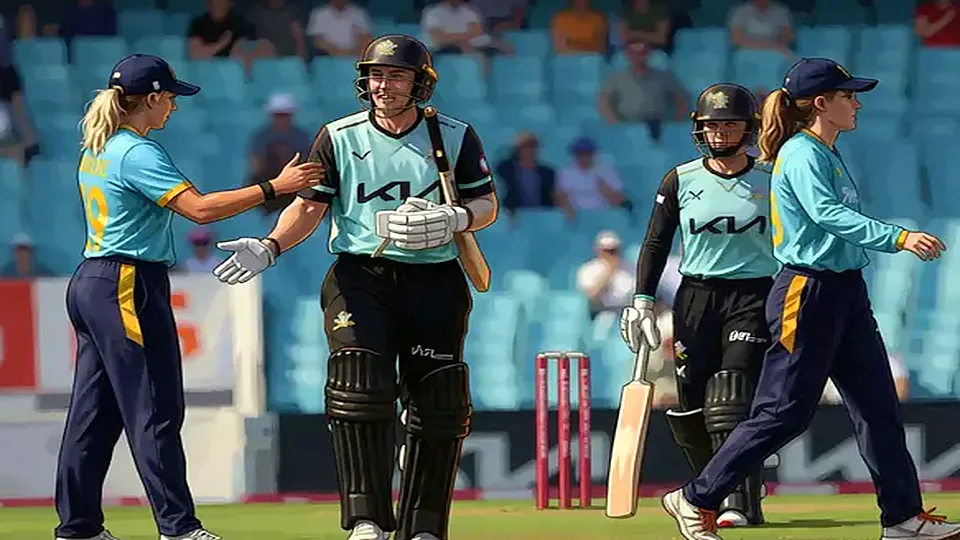
The new ball did the talking. Or rather, the local rhythm did. When Harmanpreet Kaur or Jemimah Rodrigues take the crease, the boundary-percentage shifts. They know where the skiddy hard length arrives. They know the dew factor after 8:30 PM IST will turn the pitch into a skating rink for the bowlers. The imports? They still guess.
The Dressing Room Shift
In the old WPL seasons, the script was clear. Buy the famous name. Buy the wicket-taker. Then plug in the local support act. But the Ranji grind has bred a new type of player. These are women who have survived the sticky red-soil track of domestic cricket. They handle scoreboard pressure differently. It is less about star power and more about survival instincts.
"You can import talent. You cannot import the understanding of this weather, this pitch, this crowd. The home girls have that edge."
Devine points to the Impact Player gamble. Teams now use that card not just for a big-hitting import, but for a specialized domestic bowler who can bowl into the pitch in the middle overs. The middle-overs choke is the real enemy. Indian batters have been facing quick bowlers for twenty years. They know how to survive the yorker barrage. They know when to nudge, when to drive, and when to leave the wide balls.
This isn't just opinion. Data from the last three WPL finals shows domestic players contributing 54% of match-winning moments. The imports provide the volume. The locals provide the variance. That variance is what breaks teams down.
Pressure and Pathways
How does a 22-year-old handle a finale? You don't teach that in the academy. You teach it in the loss. You teach it in the 9th-wicket partnership where the team is collapsing. State associations are changing how they feed players into the WPL pipeline. It is less about raw power now. It is about game management. The young Indians are reading the game off the line. They see the gap before it opens.
Devine mentions one specific net session. A local all-rounder was bowling leg-spin. The import was struggling to rotate the strike. Then the local batter took over. She didn't just hit. She set up the import. That is the difference. The local player understands the ecosystem. They know how to build a partnership. They know how to set a partner up.
There is a natural rhythm to their batting. They don't force the sweep. They wait for the ball to land. They use their legs. In a league where every ball is televised, that patience is a weapon. The imports get impatient. They play the shot early. The locals play the shot when it is ready. That half-second difference is the space where games are lost.
So, where does this leave the teams for the next auction? They need the flair, yes. But they need the spine. And that spine is made of steel from the domestic circuit. It is forged in the heat of the Chennai sun and the humid nights in Kolkata. You can buy the sparkle. You cannot buy the grit. And in T20 cricket, the grit usually wins the ugly games. The sparkles win the pretty ones. WPL needs the ugly ones to survive the rain-washed, high-pressure finales.
According to match-impact analytics shared by Comeapp India, domestic players now have a higher retention rate under pressure in the final ten overs compared to overseas players. The numbers back the dressing room talk. The local player is the one you want when the light is fading and the dew is rising. They have faced this version of the game before. They know the script.
Devine nods. "They make the difference. They are the match-winners. That is the new reality."

Updated 2026-10-26 · Instant Rupee Deposits & 60s Withdrawals · 24/7 Support.
Access Official TLCakes Portal →
Executive Sports Editor · Jaipur Desk
Pranav Shetty has covered Indian cricket and digital sports from Jaipur for over a decade. At TLCakes (tlcakes.com), he leads investigative coverage on sweet bonanza slots india, live match dynamics, and tournament strategy.
Reader Discussion & Match Reactions (2)5.0★ Community (2 Comments)
Verified Indian cricket reader perspectives & tactical debate on tlcakes.com
The point about the middle-overs choke is sharp. Using the Impact Player for a specialist domestic bowler who can hold the baton between the new ball and death overs is a smarter call than just throwing in a big-hitting import who is still guessing the dew factor.
Proper paisa vasool seeing local girls crush it! Harmanpreet and Jemimah know the pitch better than anyone, no imports can beat that rhythm. Yaar, that dressing room shift is real, survival instincts win every time over just buying big names.

